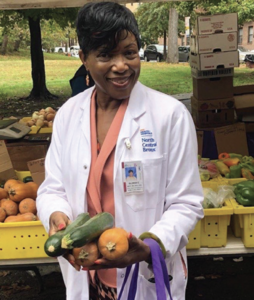
Gloria C. Bent, Ph.D., M.S., R.D., C.D.N, is a New York City-based registered dietitian and the retired Associate Director of NYC Health and Hospitals, North Central Bronx Hospital (NCBH). Ms. Bent has developed many innovative health programs focused on weight loss and healthy lifestyle modifications. These programs have been presented at countless dietetic conferences across the US, offering nutrition wellness counseling to individuals.
Fruits & Veggies Nature’s Fast Food!
By Dr. Gloria Bent
You can take a vitamin pill and get the same amount of vitamins C that is in an orange. But the orange has a lot more to offer than vitamin C! It also contains minerals, fiber, and other helpful plant chemicals. So, eat the whole fruit. It not only tastes better than a pill, it does more for you! It helps your heart, and it may cut the risk for some kinds of cancer. Aim for five or more servings of fruits and vegetables each day.
EAT FIVE A DAY!
Like many people, you may already be eating three servings of fruits and vegetables a day. It will not be hard to boost that up to five. Fruits and vegetables are quick and easy to fix. There are lots to choose from, too. Try something new next time you shop. Here are some easy ways to get more fruits and veggies into your diet every day:
• Top your cereal with berries.
• Stir fruits into Jell-O for dessert.
• Pick a banana for a snack.
• Top low-fat ice cream with fruit.
• Add a green salad to lunch.
• Add a fruit salad to brunch. Make It from the salad bar at the grocery store.
• Snack on dried fruit for work.
• Roast some root vegetables along with the chicken.
• Snack on veggies and low-fat dip during TV time.
• Serve a platter of fresh fruits, veggies, and low-fat cheeses when company comes.
• Add one more vegetable at dinner.
• Make your next stir-fry an all-veggie one.
• Try fruit chunks with a vanilla yogurt dip.
• Try some of the frozen vegetable blends.
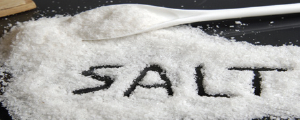
Cutting down on sodium (Salt)
Eating less sodium can reduce your risk for high blood pressure and bloating, and stave off other effects of too much salt. And did you know that reducing sodium in the food supply could save money and lives?
One estimate suggested that if Ameri-cans moved to an average intake of 1,500 mg/day sodium, it could result in a 25.6 percent overall decrease in blood pressure and an estimated $26.2 billion in health care savings.







Be First to Comment