
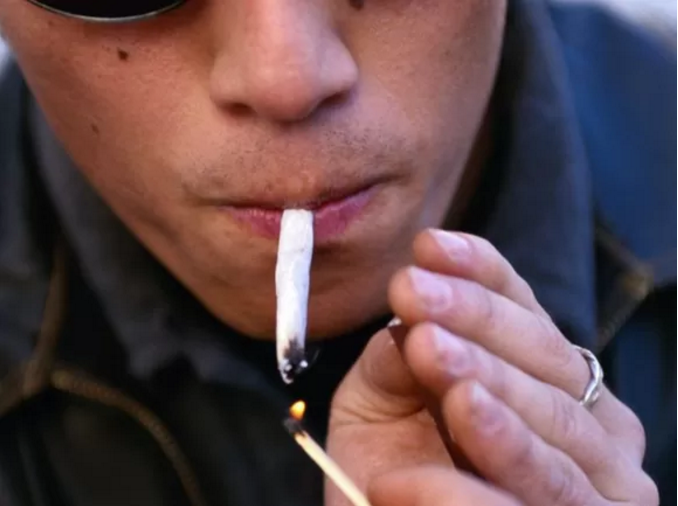
Marijuana and hallucinogen use in the past year reported by young adults 19 to 30 years old increased significantly in 2021 compared to five and 10 years ago, reaching historic highs in this age group since 1988, according to the Monitoring the Future (MTF) panel study.
According to the study, the past-year, past-month, and daily marijuana use (use on 20 or more occasions in the past 30 days) reached the highest levels ever recorded since these trends were first monitored in 1988. The proportion of young adults who reported past-year marijuana use reached 43% in 2021, a significant increase from 34% five years ago (2016) and 29% 10 years ago (2011). Marijuana use in the past month was reported by 29% of young adults in 2021, compared to 21% in 2016 and 17% in 2011.
Daily marijuana use also significantly increased during these time periods, reported by 11% of young adults in 2021, compared to 8% in 2016 and 6% in 2011. The Past-year hallucinogen use had been relatively stable over the past few decades until 2020, when reports of use started to increase dramatically. In 2021, 8% of young adults reported past-year hallucinogen use, representing an all-time high since the category was first surveyed in 1988. By comparison, in 2016, 5% of young adults reported past-year hallucinogen use, and in 2011, only 3% reported use.
Types of hallucinogens reported by participants included LSD, MDMA, mescaline, peyote, “shrooms” or psilocybin, and PCP. The only hallucinogen measured that significantly decreased in use was MDMA (also called ecstasy or Molly), showing statistically significant decreases within one year as well as the past five years – from 5% in both 2016 and 2020 to 3% in 2021.
Nicotine vaping in the past month increased significantly among young adults in 2021 despite leveling off in 2020 during the earlier part of the pandemic. The continued increase in 2021 reflects a general long-term upward trend: in 2021, nicotine vaping prevalence nearly tripled to 16% compared to 6% in 2017, when the behavior was first recorded.
Rates of past-month nicotine vaping, which have been gradually increasing in young adults for the past four years, also continued their general upward trend in 2021, despite leveling off in 2020. Past-month marijuana vaping, which had significantly decreased in 2020, rebounded to pre-pandemic levels in 2021. Alcohol remains the most used substance among adults in the study, though past-year, past-month, and daily drinking have been decreasing over the past decade.
Binge drinking (five or more drinks in a row in the past two weeks) rebounded in 2021 from a historic low in 2020, during the early stages of COVID-19 pandemic. On the other hand, high-intensity drinking (having 10 or more drinks in a row in the past two weeks) has been steadily increasing over the past decade and in 2021 reached its highest level ever recorded since first measured in 2005.


